
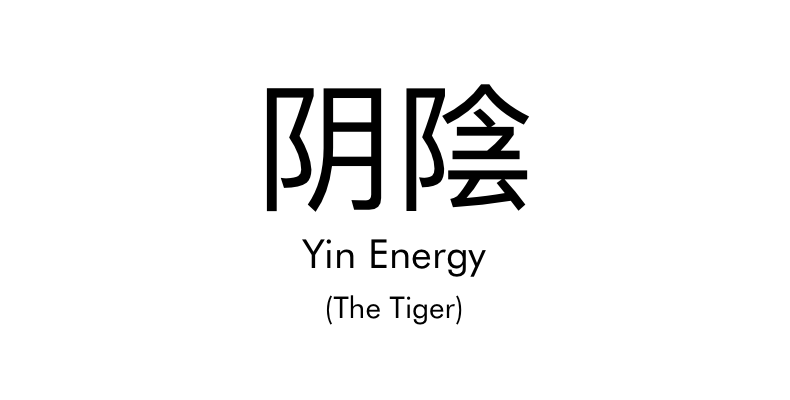
I remember the exact moment I burned out. I was hustling through a 70-hour workweek, fueled by ambition and caffeine, aderal, ticking off tasks like a machine. My life was all action, achievement, and outward motion—pure Yang energy. Then, my body forcefully pressed pause. Exhaustion wasn’t just fatigue; it was a complete system shutdown. In the deep quiet that followed, a profound realization dawned: I had been ignoring half of existence. My recovery journey became my initiation into the quiet, potent world of the Yin Principle. Far from being passive or weak, I discovered Yin as the essential, nourishing force of being—the dark soil that allows the seed of action to grow. This ancient concept from Taoist philosophy and Traditional Chinese Medicine (TCM) isn’t just an idea; it’s the foundational energy of receptivity, intuition, and profound inner strength.
The Philosophical Roots: Yin and Yang in Taoist Cosmology
To understand Yin deeply, we must first see it in its natural dance with Yang. According to the ancient text, the Tao Te Ching, the universe operates through the dynamic interplay of these two complementary forces. Imagine them not as opposites, but as partners in a cosmic ballet:
- Yang is the sun, day, fire, masculine, active, and expansive.
- Yin is the moon, night, water, feminine, receptive, and contractive.
Crucially, one cannot exist without the other. There is no day without night, no crest of a wave without its trough. The famous Tai Chi symbol perfectly illustrates this: each side contains a seed of the other, and they flow seamlessly in a circle. Therefore, Yin is not “anti-Yang”; it is the necessary counterbalance that creates wholeness, stability, and sustainable growth. As the Stanford Encyclopedia of Philosophy details, this duality forms the basis of a sophisticated naturalistic worldview.
The Core Qualities of Yin
Yin energy embodies the essential qualities of the inner world and the nurturing aspects of nature. When we cultivate Yin, we align with these powerful attributes:
- Receptivity & Openness: Yin is like a deep valley or a calm lake—it receives and holds. This translates to an open mind, the ability to listen deeply, and a willingness to receive inspiration, help, and insight from the world around us.
- Stillness & Rest: In a culture that glorifies busyness, Yin teaches the radical power of pause. It is the energy of meditation, sleep, and simply being without an agenda. This stillness is not empty; it’s the space where clarity and creativity are born.
- Introspection & Intuition: Yin turns our awareness inward. It governs our dream life, our subconscious, and our “gut feelings.” By honoring Yin, we learn to trust our inner wisdom over external noise.
- Nourishment & Sustainability: Yin is the cool, moist energy that hydrates and feeds. It supports long-term health, deep restoration, and the patient nurturing of projects and relationships, much like water slowly shapes stone.
Modern Imbalance and the Path to Cultivating Yin
Our modern world is overwhelmingly Yang-dominant. We prize constant stimulation, productivity, speed, and external achievement. This chronic Yang excess leads to the very symptoms many of us face: anxiety, insomnia, burnout, inflammation, and a feeling of being disconnected from ourselves. As noted in resources on Traditional Chinese Medicine, this imbalance is seen as a root of disharmony and illness.
The path to wellness isn’t to eradicate Yang, but to restore balance by consciously cultivating Yin. Here are powerful, practical ways to invite more Yin energy into your daily life:
- Embrace Slowness: Practice moving slowly. Try a gentle, mindful walk or a restorative yoga practice where poses are held for several minutes, targeting the deeper connective tissues.
- Create Rituals of Quiet: Dedicate time for technology-free silence. Sit with a cup of tea and just gaze out the window. Listen to the sounds around you without labeling them.
- Engage in Yin-Nourishing Activities: Spend time in nature, especially near water or in the shade. Take long baths. Keep a dream journal. Practice moon-gazing, an activity deeply connected to Yin’s lunar essence.
- Choose Nourishing Foods: In TCM, Yin-nourishing foods are often moist, cooling, and hydrating. Think soups, stews, fruits like watermelon and pear, and dark leafy greens.
Integrating Yin: The Wholeness of Balanced Energy
Ultimately, embracing the Yin principle is about reclaiming your wholeness. It allows your actions (Yang) to be rooted in wisdom and purpose (Yin). It lets your achievements be sustained by deep rest. A life in balance knows when to push forward and when to yield, when to speak and when to listen.
Start small. Perhaps begin by observing the natural Yin and Yang rhythms in your day—the activity of the afternoon versus the quiet of the late evening. For further exploration, you might consider how this balance applies to your personal energy fields in Reiki, or how the moon’s cycle provides a perfect template for Yin (new moon) and Yang (full moon) phases. Remember, the goal is not to become entirely Yin, but to honor it as the sacred ground of your being. By making space for stillness, you don’t lose your power; you discover its true, sustainable source.
Hungry for more lifechanging wisdom? Read more articles on intuitive massage, touch and holistic healing arts:
- The Engine of Action: A Deep Dive into the Dynamic Power of Yang Energy
- Thai Massage: An Ancient Healing Art for Modern Well-Being
- Unlocking the Body’s Wisdom: What is Somatic Therapy and the 5 Most Powerful Practices