
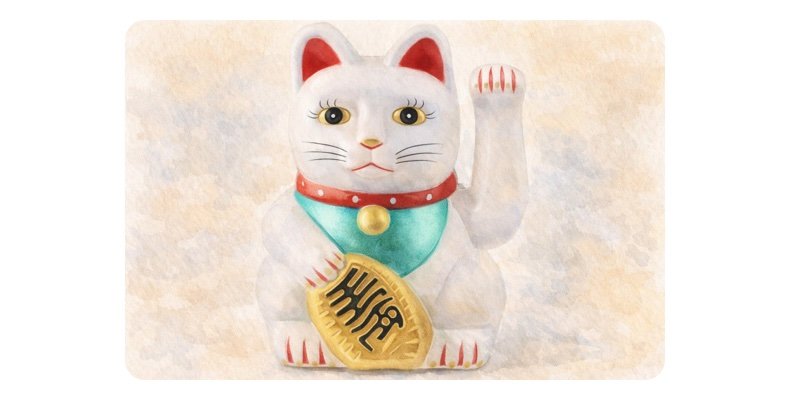
You have likely seen its smiling face and raised paw in a shop window or restaurant. Often dismissed as just a charming figurine, the Maneki Neko, or “beckoning cat,” holds a deeper secret. This iconic symbol is not merely a superstition; it is a centuries-old reflection of a universal human desire for good fortune, protection, and happiness. Its enduring story offers a gentle lesson in cultivating an open and receptive mindset for positivity.
A Tale of Luck and Gratitude
The legend begins in 17th-century Japan. As one story goes, a poor monk shared his meager food with a starving stray cat. In gratitude, the cat later sat outside a temple, raising its paw to beckon a passing samurai lord away from a lightning strike. Consequently, the lord found shelter at the temple, became its patron, and brought it prosperity. The cat, therefore, became a symbol of reciprocal kindness—where compassion sparks unexpected good fortune. This narrative beautifully aligns with principles of mindfulness and openness to the flow of positive energy in one’s life.
Decoding the Symbolism
Every detail of a Maneki Neko carries intentional meaning. Primarily, the raised paw is key. A left paw beckons customers and people (good for business), while a right paw invites money and good fortune. Some modern versions even feature both paws raised for maximum blessing!
Furthermore, the color tells its own story:
- White: For purity, happiness, and positive things to come.
- Gold: For wealth and financial prosperity.
- Black: For protection from evil and misfortune.
- Calico (tri-colored): Considered especially lucky, as these cats are rare.
Often, the cat holds a koban (an old gold coin), symbolizing the wealth it continuously attracts. This intricate symbolism transforms the statue from decor into a tangible intention, a daily reminder of one’s hopes.
Inviting Your Own Good Fortune
Today, the Maneki Neko bridges tradition and modern life. Placing one at your door or workspace is less about magic and more about setting a mindful intention. It serves as a visual cue for an optimistic, open, and grateful attitude—qualities that naturally attract opportunity. In this way, it functions similarly to other Japanese principles that focus on energy flow and mindful presence. By acknowledging this symbol’s true purpose, you invite more than luck; you cultivate a state of mind ready to welcome happiness.
Ultimately, the Maneki Neko’s power lies in its story. It reminds us that kindness matters, that prosperity often follows openness, and that sometimes, the smallest gestures—whether a cat’s paw or a mindful breath—can guide us toward greater well-being.
Hungry for more lifechanging wisdom? Read more articles on intuitive massage, touch and holistic healing arts:
- Finding Your True Voice: A Journey of Throat Chakra Healing
- Dynamic Thai Massage: The Art of Rhythmic, Moving Meditation
- Rolfing Structural Integration: Realigning the Body, Transforming Movement, and Freeing the Fascia