
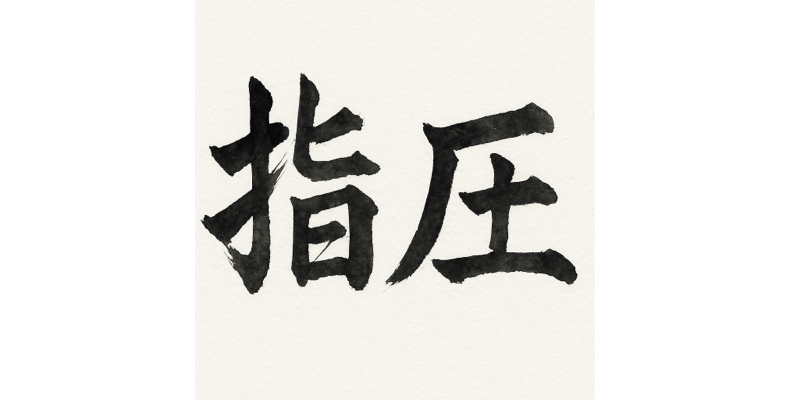
Shiatsu therapy is a traditional Japanese healing art rooted in the principles of Traditional Chinese Medicine (TCM) and meridian theory. It is based on the belief that the body holds an innate ability to restore itself. While Shiatsu means “finger pressure,” the practice encompasses much more than this. It is a mindful therapy that combines rhythmic pressure, stretching, joint mobilization, and focused presence to harmonize the flow of Qi, the body’s vital life force.
How Shiatsu Is Practiced
Above all, Shiatsu massage therapy is performed entirely clothed on a comfortable mat or futon. Practitioners use their thumbs, palms, elbows, knees, and even body weight to apply steady compressions along the body’s meridians. This rhythmic, wave-like pressure stimulates the parasympathetic nervous system, guiding the recipient into deep relaxation. As tension dissolves, the practitioner tunes in—through hands and breath—to the client’s body, adjusting pressure and technique to restore balance.
Connecting Meridians, Emotions & the Five Elements
Central to Shiatsu is meridian-based healing. According to TCM and Japanese traditions, each meridian corresponds to specific organs, emotions, and elemental qualities:
- Tight shoulders or neck tension may reveal Liver Qi stagnation (overall associated with frustration or emotional holding).
- Digestive discomfort may signal imbalance in the Earth element (Spleen and Stomach).
- Restlessness or anxiety may indicate disharmony in the Heart and Shen (spirit).
Shiatsu practitioners use these clues to personalize sessions, firstly addressing physical, emotional, and energetic needs. This intuitive approach makes Shiatsu a unique form of therapeutic touch.
Somatic Benefits of Shiatsu
Beyond symptom relief, Shiatsu massage therapy in fact is a practice of embodiment. Through gradual, focused pressure and movement, clients reconnect with sensations dulled by stress or chronic tension. As a result Shiatsu can help individuals. For example:
- Reduce anxiety and emotional overwhelm
- Improve sleep
- Ease chronic pain or muscular tightness
- Regulate the nervous system
- Release stored emotional tension
The grounding, meditative aspect of Shiatsu is especially valuable for those recovering from burnout, trauma, or prolonged stress.
Scientific Support for Shiatsu massage therapy
For example, modern research supports the traditional uses of Shiatsu. In conclusion studies in integrative medicine show improvements in:
- Fatigue and energy
- Musculoskeletal pain
- Psychological well-being
- Circulation and flexibility
Because Shiatsu promotes holistic regulation, it is often included in wellness plans with mindfulness, physical therapy, or counseling.
A Return to Inner Harmony
Ultimately, Shiatsu is a conversation through touch, breath, and intention. As tension fades and Qi flows, the body remembers its natural ease. Shiatsu invites a deeper connection to one’s inner landscape, allowing healing from within but keeping a very tangible experience.
Hungry for more lifechanging wisdom? Read more articles on intuitive massage, touch and holistic healing arts:
- Kaizen: The Japanese Philosophy of Continuous Growth in Healing
- Finding Balance: A Story of Yin and Yang in Modern Life
- Energy Lines in Thai Massage: Mapping the Pathways of Healing and Vitality