
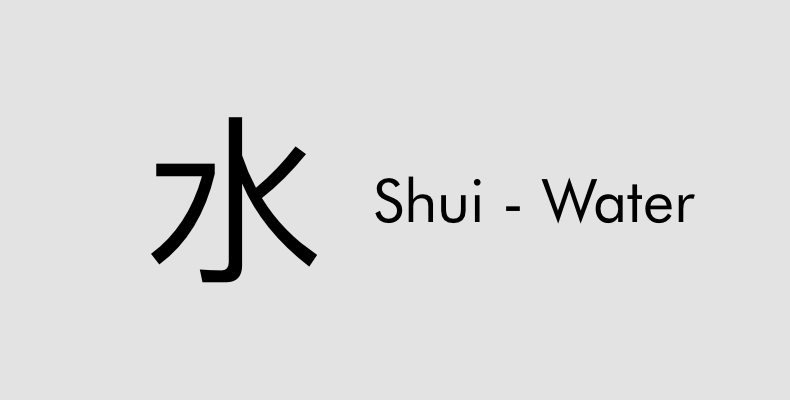
In the dead of winter, all seems still. The trees stand bare, the rivers slow, and the world retreats into silence. Yet, beneath the frozen surface, a profound intelligence is at work. Roots gather strength in the dark soil, and life conserves its energy, waiting for the precise moment to surge forth again. This is not dormancy; it is strategic resilience. I once guided a brilliant, burned-out entrepreneur through this exact principle. His life was a blaze of activity (Fire), but he felt brittle, fearful, and utterly depleted. “My well is empty,” he confessed. We didn’t add more fuel to his fire. Instead, we turned our attention to the Water element within him—the deep, subterranean well of his essence. Through restorative touch and breathwork focused on his Kidney meridian, he began to reconnect with a quiet, bottomless strength he had forgotten. His energy didn’t just return; it transformed from a scattered spark into a steady, unstoppable flow. This is the power of understanding Water in Traditional Chinese Medicine (TCM) and the Wu Xing system.
The Nature of Water element TCM
In the Five Elements (Wu Xing) framework, Water (水 – Shui) is the archetype of winter, darkness, midnight, and the North. It is the most yin of the elements, representing rest, storage, and potent potential. However, do not mistake its quiet nature for passivity. Water is immensely powerful. It carves canyons, moves mountains, and adapts to any container without losing its core nature. Within our bodies, the Water element governs our foundational life force, our constitutional strength, and our ability to navigate life’s inevitable ebbs and flows with wisdom and grace.
The Organs of Water
The Water element is intimately connected to two vital organ systems: the Kidneys (Shen) and the Bladder (Pang Guang).
- The Kidneys (Shen): These are not just filters in TCM; they are the “Root of Life.” They store our prenatal essence, called Jing—a finite reserve of vitality inherited from our parents. This Jing is the battery that powers our growth, development, reproduction, and aging. Consequently, the Kidneys also govern our willpower (Zhi), our drive to survive and thrive. They are the source of our “backbone,” both literally (governing the bones and marrow) and metaphorically.
- The Bladder (Pang Guang): Partnered with the Kidneys, the Bladder is not merely a storage sac. It represents the function of fluid distribution and elimination. It is the channel through which the body’s “waterways” are managed, reflecting the Kidney’s command over all water metabolism in the body.
Balance vs. Imbalance
A person with balanced Water energy exudes a quiet confidence. They possess deep reserves, moving through challenges with resilience and calm foresight. Their willpower is strong but not rigid, and they have a healthy relationship with fear—using it as information, not being ruled by it.
However, Water imbalance is increasingly common in our hyper-stimulated, “always-on” world, which relentlessly drains our Jing. Imbalance manifests in two primary ways:
- Water Deficiency (Kidney Yin/Yang Imbalance): This is the empty well. Symptoms include chronic fear or anxiety, adrenal fatigue, lower back or knee weakness, tinnitus, dry conditions (like dry skin or night sweats), poor memory, and a profound lack of drive. The body’s “battery” is critically low.
- Water Stagnation (Qi Stagnation in Water Meridians): Here, the flow is blocked. This can manifest as fluid retention (edema), urinary issues, a feeling of being “stuck” in life with pervasive dread, or rigid, icy coldness in the lower body.
Nourishing Your Water element in TCM
The good news is that we can nourish our Water element through daily practices. The key principle is conservation and gentle strengthening.
- Restorative Movement & Bodywork: Intense, sweating exercise (Fire) can further drain Water. Instead, embrace Water-friendly practices like Tai Chi, Qi Gong, Yin Yoga, or gentle walking. Receiving holistic massage that includes holds on Kidney and Bladder meridians can help release stored tension and encourage the flow of vital energy, acting like a gentle thaw on frozen streams. Learn specific techniques in our guide on Top 10 Acupressure for Calming the Nervous System.
- Foods for the Kidneys: Naturally salty and dark foods often nourish Water. Think of black beans, seaweed, bone broth, walnuts, black sesame seeds, and blueberries. Staying hydrated with room-temperature water is, of course, essential.
- Cultivate Stillness: Water is replenished in silence and darkness. Prioritize sleep before midnight (the Water time of day), practice meditation, and spend time in dim, quiet environments. This is not laziness – it is strategic Jing conservation.
- Embrace Healthy Fear: The emotion of Water is fear (Kong). When it is balanced, fear is a wise advisor in the face of danger. Work on transforming chronic, paralyzing anxiety into respectful awareness. Somatic practices that encourage a sense of safety and grounding directly support the Water element by calming the primal “freeze” response in our nervous system.
The Holistic View – Water as Your Foundation
Ultimately, in the Wu Xing cycle, Water nourishes Wood (the next element, governing growth and vision). This means you cannot have sustainable creativity, kindness, or expansion (Wood) if your deep well (Water) is dry. Everything builds upon this foundation. By tending to your Water element, you are not just addressing fatigue or fear; you are fortifying the very bedrock of your health, willpower, and spiritual longevity. You learn to move through the winters of your life not with resistance, but with the profound, intelligent stillness of water—gathering strength in the deep, knowing spring always follows.
Hungry for more lifechanging wisdom? Read more articles on intuitive massage, touch and holistic healing arts:
- The Sacred Letting Go: How the Metal Element of TCM Holds the Key to Grief, Boundaries, and Finding What Truly Matters
- The Gentle Heat: Discovering the Tradition and Restorative Power of Ganbanyoku
- Thai Massage: An Ancient Healing Art for Modern Well-Being